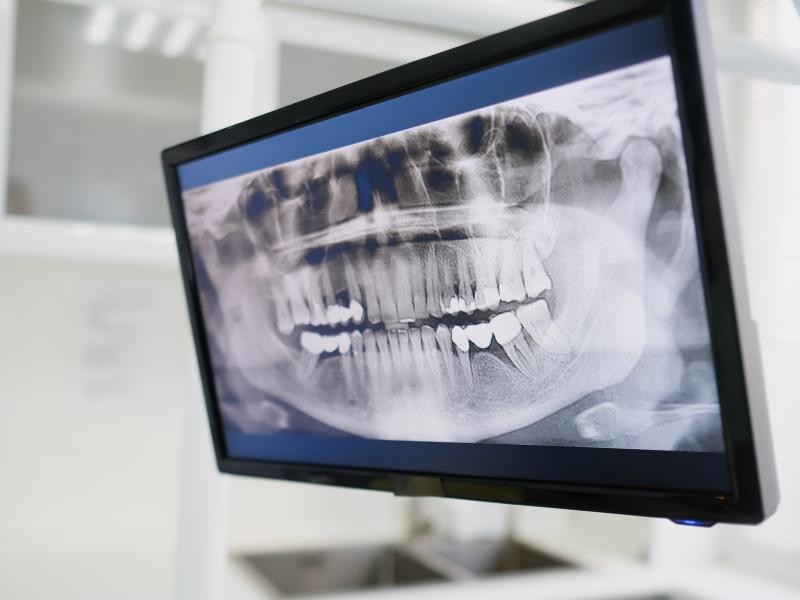
The modern and digital orthodontics represents one of the great evolutions of current dental medicine. With the support of digital tools, it became possible to diagnose, plan and monitor orthodontic treatments with greater precision, comfort and predictability.
If before orthodontic treatment was often associated with uncomfortable moldings and long follow-up periods, today technology allows a more organized, visual and personalized experience.
At Alora Clínic , in Ramada, Odivelas, Lisbon, digital orthodontics integrates a modern approach of dental medicine, with recourse technology to facilitate the planning and evolution of treatment.
1. What is modern and digital orthodontics?
modern and digital orthodontics is an approach that uses technological resources to improve all phases of orthodontic treatment, from diagnosis to final follow-up.
This approach may include intraoral scanning, digital radiographs, simulation software, virtual planning and custom aligners.
The objective is to make the treatment more precise, comfortable and adapted to the needs of each patient.
2. What are the advantages of digital orthodontics?
The use of technology in orthodontics offers several advantages compared to more traditional methods.
- more accurate diagnosis;
- greater comfort during the evaluation;
- personalized planning;
- visualization of treatment evolution;
- greater predictability of the results;
- more objective consultations;
- possibility of using invisible aligners.
3. How does technology improve treatment outcomes?
The technology allows to analyze in detail the position of the teeth, the bite and the relationship between the dental arches. With this information, the dentist can plan tooth movements in a more controlled way.
Digital planning helps:
- predict tooth movements;
- reduce unnecessary adjustments;
- follow the evolution of the treatment;
- customize each stage;
- improve communication with the patient.
4. What types of appliances are part of modern orthodontics?
Modern orthodontics can include different solutions, according to the clinical needs of each person.
- invisible aligners;
- conventional orthodontic appliances;
- aesthetic appliances;
- self-ligating appliances;
- hybrid solutions in specific cases.
The choice of device depends on the clinical evaluation, the type of misalignment and the goals of the treatment.
5. Can technology reduce treatment time?
In some cases, yes. Digital planning can contribute to more efficient treatments, as it allows you to better organize each phase of dental movement.
However, the duration of treatment depends on several factors, such as:
- case complexity;
- type of device used;
- biological response of the patient;
- compliance with clinical guidelines;
- regularity of follow-up consultations.
6. How does diagnosis work in digital orthodontics?
The diagnosis in digital orthodontics is made through the combination of clinical evaluation and digital exams.
This phase may include:
- intraoral scan;
- digital radiographs;
- clinical photographs;
- bite analysis;
- digital models of dental arches.
With this data, it is possible to create a more complete and personalized treatment plan.
7. Is 3D scanning important in orthodontics?
Yes. 3D intraoral scanning is an important tool in modern orthodontics, as it allows to obtain detailed digital images of the mouth without resorting to conventional moldings.
This technology offers:
- more comfort for the patient;
- accurate digital records;
- better treatment planning;
- possibility to compare different phases;
- integration with digital orthodontic software.
8. Which digital exams can be used?
Depending on the case, different digital exams may be used to support diagnosis and planning.
- 3D intraoral scanning;
- digital panoramic x-ray;
- cephalometric radiography;
- computed tomography, when indicated;
- digital clinical photographs;
- interactive digital models.
The combination of these resources allows a more detailed assessment of the dental and facial structure.
9. How does digital planning work?
Digital planning is one of the most important stages of modern orthodontics. From the exams and digital images, the dentist can analyze the case and define the necessary sequence of dental movements.
This stage can allow:
- simulate the evolution of treatment;
- display possible results;
- define the most appropriate type of appliance;
- customize the orthodontic plan;
- monitor progress more accurately.
10. How does digital orthodontics improve patient comfort?
Digital orthodontics was also developed to make the patient experience more comfortable.
Among the main benefits related to comfort are:
- less need for conventional moldings;
- faster and more objective consultations;
- greater clarity on the treatment plan;
- more discreet devices in many cases;
- best adaptation to daily routine.
11. Where to perform modern and digital orthodontics?
Modern and digital orthodontics should be performed in a clinic with qualified professionals, adequate technology and personalized follow-up.
At Alora Clínic in Ramada, Odivelas, Lisbon, we provide orthodontic assessments using digital tools, personalised planning and continuous follow-up throughout treatment.
Conclusion
The modern and digital orthodontics facilitates orthodontic treatment by combining technology, precision and comfort. Resources such as 3D scanning, digital planning and custom aligners help make the process more predictable and tailored to each patient.
At Alora Clínic , in Ramada, Odivelas, Lisbon, technology is used to support more complete diagnoses, personalized treatments and a more comfortable experience.
If you want to know more about modern and digital orthodontics, you can schedule an evaluation consultation with our team.