Treatment of Unitary Prostheses in Ramada, Odivelas, Lisbon
the unitary denture treatment is an effective solution to replace a single lost or damaged tooth. Unitary dentures are used when a tooth is lost, whether due to severe caries, trauma or periodontal disease, and aim to restore chewing function and the aesthetics of the smile, without compromising the health of adjacent teeth.
At Alora Clinic , in Ramada, Odivelas, Lisbon , the unitary prosthesis treatment begins with a detailed clinical evaluation to check the health of the adjacent teeth and gums, in addition to planning the most appropriate treatment to guarantee the better aesthetics and functionality.
What are unitary prostheses?
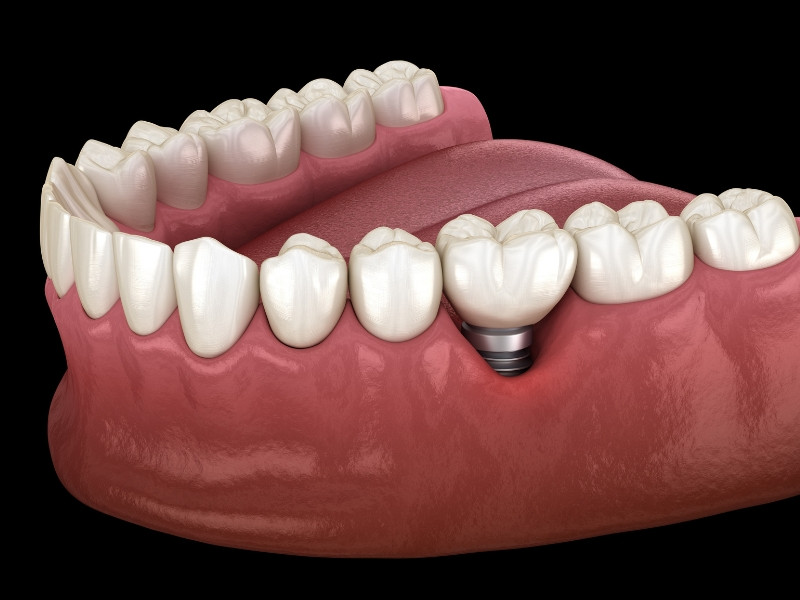
Unitary dentures are used to replace a single lost or damaged tooth. These prostheses are fixed directly on the adjacent tooth, with or without the aid of a dental implant. They are custom made to ensure that they fit perfectly to the dental arch, providing a natural and comfortable appearance.
Unitary dentures can be made of different materials, such as porcelain or composite resin, to ensure that they integrate well with natural teeth, both in terms of aesthetics and function.
When is the treatment of unitary prostheses indicated?
The treatment of unitary prostheses is indicated when the patient has lost a single tooth due to caries, trauma, gum disease or other conditions. This solution is ideal for restoring chewing function and improving the aesthetics of the smile.
The top reasons to perform the unitary prosthesis treatment include:
- loss of a single tooth due to caries or trauma;
- severely damaged tooth that cannot be restored with a restoration;
- need to restore the aesthetics of the smile;
- restore chewing function and bite harmony;
- permanent and stable solution for the loss of a tooth.
The treatment of unitary dentures in Ramada, Odivelas, Lisbon offers a practical and aesthetic solution to replace a single lost tooth, providing comfort and functionality.
How does clinical evaluation work for unitary prostheses?
The evaluation for the treatment of unitary prostheses begins with a complete examination of the oral cavity, where the dentist checks the condition of the adjacent teeth and gums, in addition to assessing the bone structure to determine if an implant is needed to ensure the stability of the prosthesis.
Assessment may include:
- clinical examination of teeth and gums;
- x-rays to examine bone structure and the position of the missing tooth;
- assessment of occlusion (bite alignment);
- discussion about the type of prosthesis (crown or bridge) and the need for implants;
- treatment planning and definition of the material to be used in the prosthesis.
After the evaluation, the dentist will discuss the treatment plan with the patient, detailing the steps of the procedure and the care needed during and after the treatment.
How is the treatment of unitary prostheses performed?
The treatment of unitary prostheses involves several stages, from the initial evaluation to the placement of the final prosthesis.
Treatment Planning
The dentist will conduct a detailed evaluation to plan the treatment and decide if the patient will need a dental implant to support the prosthesis. If the adjacent tooth is healthy, the prosthesis can be placed directly on it.
Making the prosthesis
Molds or digitization of the teeth and dental arch will be made to create a precise model of the mouth, which will be used in the making of the unitary prosthesis. The prosthesis will be custom made to guarantee a perfect fit and the best aesthetics.
Placement of the prosthesis
After making, the prosthesis will be adjusted and placed in the mouth. If it is a crown, it will be attached to the adjacent tooth or implant, depending on the case. The prosthesis will be carefully adjusted to ensure comfort and functionality.
Post-treatment care of unitary dentures
After the treatment of unitary prostheses , it is important to follow the dentist's guidelines to ensure that the prosthesis remains stable and functions correctly.
- maintain good oral hygiene by brushing teeth and dentures;
- avoid hard or sticky foods that can damage the prosthesis;
- perform regular follow-up consultations to verify the fit of the prosthesis;
- flossing daily to maintain the health of the gums and around the denture;
- do not smoke, as smoking can affect the durability of the prosthesis and oral health in general.
Continuous monitoring
Post-treatment follow-up is essential to ensure that the unit prosthesis remains stable and functional in the long term. The dentist can make adjustments to the prosthesis, if necessary, and monitor the patient's oral health.
At Alora Clinic , the treatment of unitary prostheses in Ramada, Odivelas, Lisbon includes continuous monitoring to ensure that the result is satisfactory and the patient's smile is healthy and beautiful.
Unitary Prostheses in Ramada, Odivelas, Lisbon
If you have lost a single tooth and want an aesthetic and functional solution to restore your smile, Alora Clinic offers treatment of unitary prostheses in Ramada, Odivelas, Lisbon to guarantee a healthy and functional smile.
The consultation allows you to evaluate the best solution for your case, with customized unit prostheses for your smile.
Book your unit denture consultation
To start your treatment of unitary prostheses in Ramada, Odivelas, Lisbon , dial a consultation at Alora Clinic .
Clinical evaluation is the first step to ensure that your unitary prosthesis fits perfectly, restoring the functionality and aesthetics of your smile.