Prosthesis Treatment - Bridge in Ramada, Odivelas, Lisbon
The prosthetic treatment - bridge is an effective solution to replace missing teeth, restoring the functionality and aesthetics of the smile. The dental bridge is a type of fixed prosthesis that is used to fill the spaces left by missing teeth, being anchored to the teeth adjacent to the missing tooth.
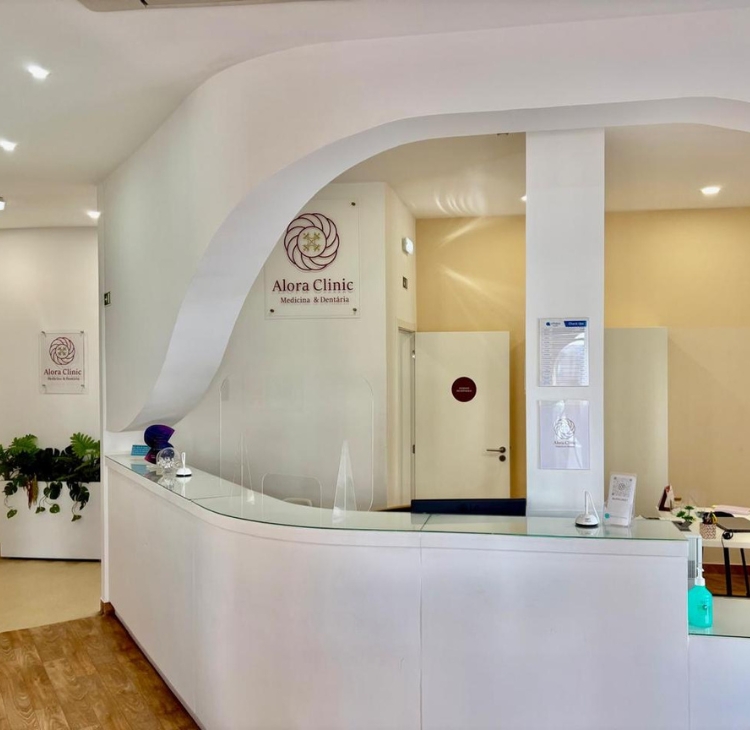
At Alora Clinic , in Ramada, Odivelas, Lisbon , the treatment of prosthesis - bridge begins with a detailed evaluation of the oral cavity to ensure that the prosthesis is the most appropriate solution, taking into account the health of the adjacent teeth and the aesthetics of the smile.
What is the bridge prosthesis?
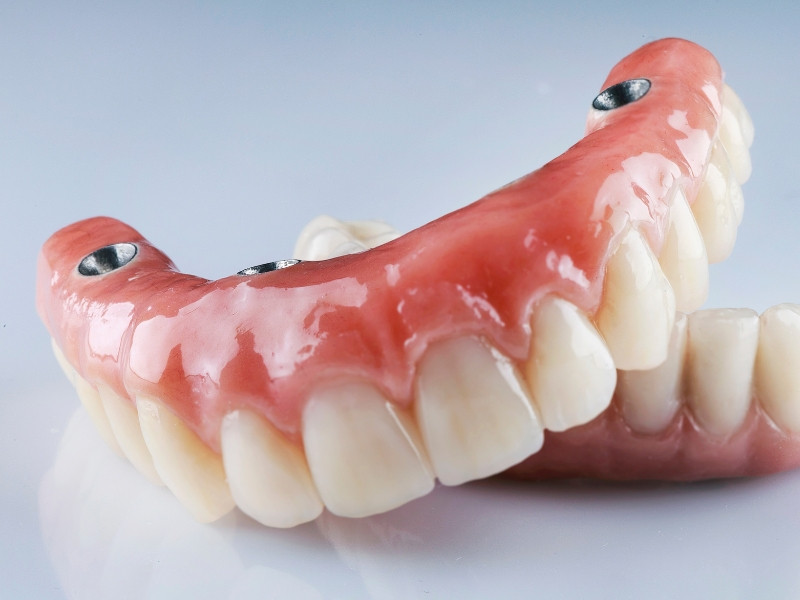
The denture - bridge is a fixed prosthesis used to replace one or more missing teeth. It consists of one or more artificial teeth (bridges) that are attached to the teeth adjacent to the empty space. The bridge is a durable solution that helps restore the chewing function and aesthetics of the smile, providing a natural and comfortable result.
Bridges can be made of various materials, such as porcelain or metal, depending on the needs of the patient and the conditions of the adjacent teeth.
When is bridge prosthesis treatment indicated?
The prosthesis treatment - bridge is indicated when the patient has lost one or more teeth and wants a fixed solution to restore the chewing function and the aesthetics of the smile.
The main reasons for performing the prosthetic treatment - bridge include:
- loss of one or more teeth due to caries, periodontal disease or trauma;
- healthy adjacent teeth that can be used as pillars for the bridge;
- need to restore chewing function;
- aesthetic improvement of the smile;
- prevent neighboring teeth from moving to the empty space.
The prosthetic treatment - bridge in Ramada, Odivelas, Lisbon offers a fixed and durable solution to restore the smile, providing a natural and comfortable appearance.
How does clinical evaluation for bridge prosthesis work?
The evaluation for the prosthetic treatment - bridge begins with a complete examination of the oral cavity. The dentist checks the health of the teeth adjacent to the empty space, in addition to the gum health and bone structure, to ensure that the bridge will be placed stably and safely.
Assessment may include:
- clinical examination of teeth and gums;
- radiographs to examine the bone structure and the position of the teeth;
- evaluation of occlusion (alignment of the bite) and available space;
- discussion about the type of prosthesis (fixed or removable) and the most appropriate material;
- treatment planning and definition of the best approach for adjacent teeth.
After this evaluation, the dentist will plan treatment and discuss with the patient all the details about the placement of the dental bridge.
How is the bridge prosthesis treatment performed?
The prosthetic treatment - bridge involves several stages, from the preparation of adjacent teeth to the placement of the final prosthesis.
Preparation of adjacent teeth
To put a bridge, the teeth adjacent to the empty space (called abutments) need to be prepared. The dentist will slightly wear these teeth to ensure that the bridge fits perfectly.
Construction of the bridge
After the teeth are worn, the dentist will make molds or scans to create an accurate model of the mouth, which will be used to make the bridge. This process may take some time, as the bridge will be custom made to ensure a perfect fit and the best aesthetics.
Bridge placement
After the bridge is made, it will be placed in the patient's mouth. The dentist will make the necessary adjustments to ensure that the bridge fits comfortably and functionally. The prosthesis will be fixed to the adjacent teeth using specialized dental cement.
Post-treatment care of prosthesis - bridge
After the prosthetic treatment - bridge , it is important to follow the dentist's guidelines to ensure that the prosthesis remains stable and functional in the long term.
- maintain good oral hygiene, brushing your teeth after all meals;
- avoid hard or sticky foods that can damage the bridge;
- perform regular follow-up consultations to check the fit of the bridge;
- using dental floss carefully to prevent food debris from getting trapped in the bridge;
- do not smoke, as smoking can harm oral health and affect the durability of the bridge.
Continuous monitoring
Post-treatment monitoring is essential to ensure that the bridge remains stable and functional. The dentist will monitor progress and make adjustments, if necessary, to ensure that the patient has the best possible experience with their prosthesis.
At Alora Clinic , prosthesis treatment - bridge in Ramada, Odivelas, Lisbon includes continuous monitoring to ensure that the treatment has the best results and the patient is completely satisfied.
Prosthesis - Bridge in Ramada, Odivelas, Lisbon
If you have lost one or more teeth and want a fixed and durable solution to restore the function and aesthetics of your smile, Alora Clinic offers denture treatment - bridge in Ramada, Odivelas, Lisbon to guarantee the best solution for your case.
The bridge prosthesis consultation allows you to evaluate the best approach for your case, restoring the chewing function and providing a natural smile.
Mark your denture - bridge consultation
To start your prosthetic treatment - bridge in Ramada, Odivelas, Lisbon , book a consultation at Alora Clinic .
Clinical evaluation is the first step to ensure that the prosthesis is placed safely and effectively, providing maximum comfort and durability.