Treatment for Bruxism in Ramada, Odivelas, Lisbon
The treatment for bruxism is intended to evaluate and control the habit of clenching or tidying teeth, which can occur during sleep or throughout the day. This condition may be associated with tooth wear, muscle tension and discomfort in the face or jaw region.
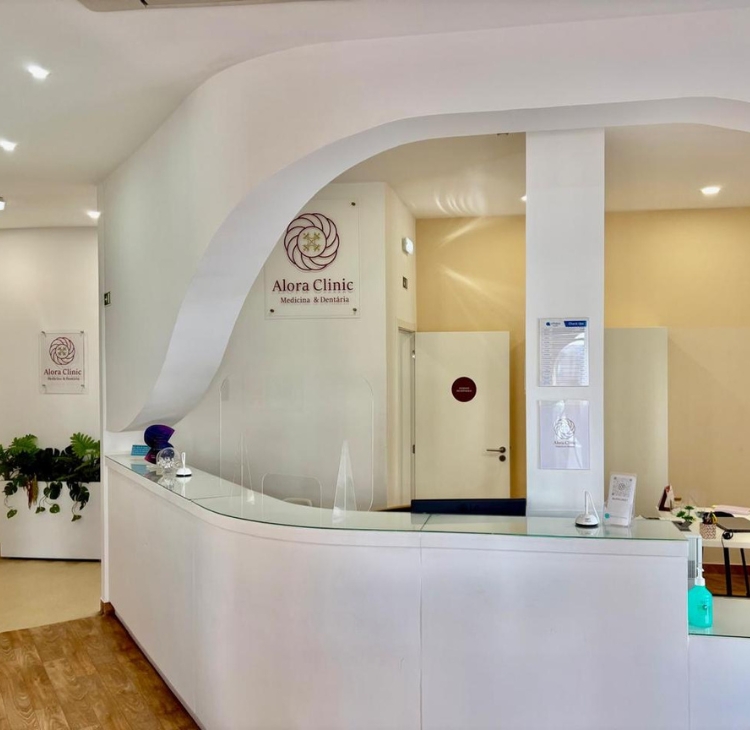
At Alora Clinic , at Ramada, Odivelas, Lisbon , treatment for bruxism is performed based on an individualized clinical evaluation. The follow-up plan is defined according to the signs, symptoms and factors associated with each patient.
What is bruxism?
bruxism corresponds to the involuntary act of clenching or tidying teeth. It can occur during sleep (sleep bruxism) or during wakefulness (daytime bruxism). In many cases, the patient may not be aware of this habit.
The treatment for bruxism in Ramada, Odivelas, Lisbon aims to reduce the effects of this behavior, protect teeth and alleviate possible associated symptoms.
What are the signs and symptoms of bruxism?
Signs of bruxism can vary from person to person. In some cases, the condition may be asymptomatic, being identified only in consultation.
Among the most common signs and symptoms are:
- tooth wear;
- sensitivity in teeth;
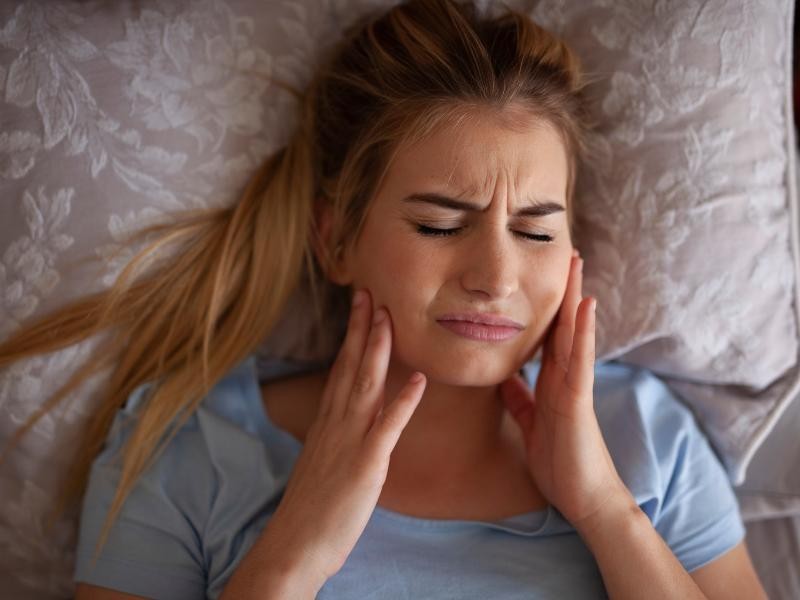
- pain or tension in the jaw;
- headache, especially when itching;
- muscle stiffness in the face;
- saved in the temporomandibular joint;
- difficulty in fully opening the mouth;
- facial muscle fatigue.
The presence of these signs may warrant a clinical evaluation. The treatment for bruxism always depends on diagnosis and analysis of associated factors.
What are the possible causes of bruxism?
Bruxism can be related to several factors, there is no single cause for all cases. The identification of these factors is important to guide the treatment plan.
Among the associated factors are:
- emotional tension;
- anxiety;
- sleep disturbances;
- parafunctional habits;
- changes in occlusion, in certain contexts;
- neuromuscular factors.
The treatment for bruxism in Ramada, Odivelas, Lisbon is oriented according to these factors, and an individualized clinical diagnosis is necessary.
How does clinical assessment work?
Before starting treatment for bruxism , a detailed clinical evaluation is performed. This stage makes it possible to identify signs of tooth wear, muscle tension and other associated changes.
Assessment may include:
- clinical observation of teeth and gums;
- dental wear assessment;
- analysis of occlusion;
- palpation of masticatory muscles;
- evaluation of the temporomandibular joint;
- analysis of the clinical history and habits of the patient.
Based on this analysis, a treatment plan for bruxism is defined in Ramada, Odivelas, Lisbon , adjusted to the clinical situation.
According to good health practices, any treatment depends on individualized previous diagnosis.
How is the treatment for bruxism?
The treatment for bruxism may include different approaches, depending on the nature of the condition and the symptoms presented.
Occlusal plaques
In many cases, occlusal plates , personalized devices used during sleep, may be indicated. These plates help protect the teeth and reduce the burden on the oral structures.
Behavioral guidance
Strategies to reduce teeth clenching habits during the day, as well as guidelines related to stress management and daily routine may be recommended.
Clinical follow-up
Regular monitoring allows you to monitor the evolution of treatment for bruxism and adjust the plan as necessary.
The treatment for bruxism in Ramada, Odivelas, Lisbon is adapted to the situation of each patient, and may involve one or more of these approaches.
How long is the treatment?
The duration of treatment for bruxism depends on the associated factors and the response to the measures implemented. In some cases, monitoring over time may be necessary.
The follow-up time is defined after clinical evaluation and can be adjusted according to the observed evolution.
Monitoring and maintenance
Follow-up is essential in treatment for bruxism , allowing to evaluate the evolution of symptoms and the effectiveness of the measures adopted.
At Alora Clinic , treatment for bruxism in Ramada, Odivelas, Lisbon includes clinical monitoring and personalized guidance.
Maintaining appropriate habits and adhering to clinical guidelines are important for the control of this condition.
Treatment for Bruxism in Ramada, Odivelas, Lisbon
If you are looking for treatment for bruxism in Ramada, Odivelas, Lisbon , Alora Clinic offers evaluation consultations for diagnosis and definition of the most appropriate follow-up plan.
The consultation allows you to analyze your clinical situation and identify the factors associated with bruxism.
Mark an evaluation consultation
To start your treatment for bruxism in Ramada, Odivelas, Lisbon , you can schedule a consultation at Alora Clinic .
Clinical evaluation is the first step in defining the most appropriate approach to your case.