Dental Medicine Consultation for Dental Restorations in Ramada, Odivelas, Lisbon
The dental medicine consultation for dental restorations is indicated for patients who need to correct damaged or decayed teeth, returning them functionality and aesthetics. Dental restorations are essential procedures to preserve oral health, avoiding major problems such as infections or tooth loss.
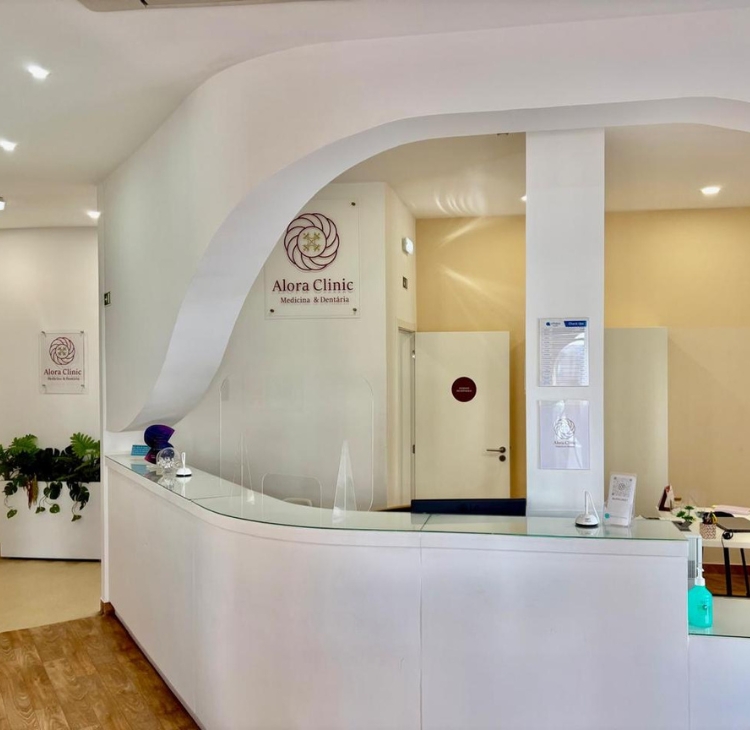
At Alora Clinic , at Ramada, Odivelas, Lisbon , the consultation for dental restorations begins with a detailed evaluation of the affected teeth, allowing the dentist to develop the most appropriate treatment to the needs of each patient.
What are dental restorations?
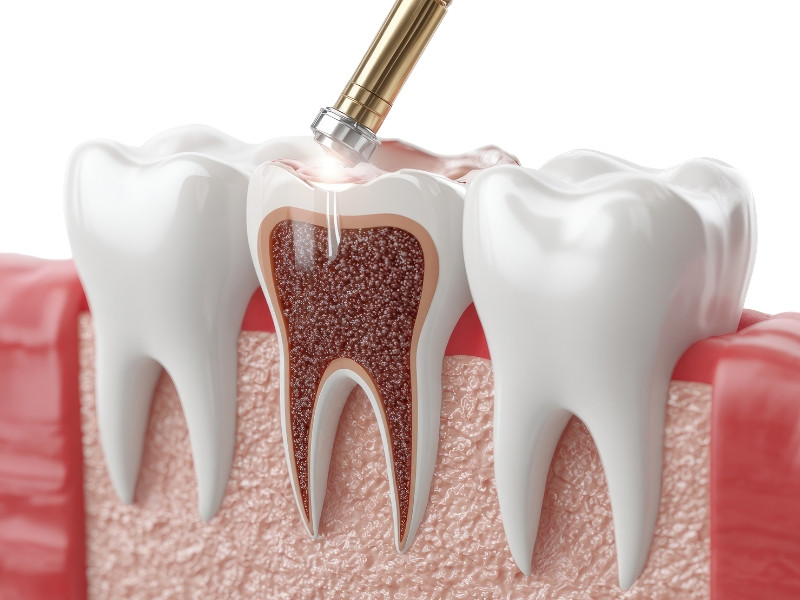
dental restorations are procedures performed to correct teeth damaged by caries, trauma or wear. They involve removing the affected part of the tooth and replacing the lost material with a restorative substance, such as composite resin, amalgam, porcelain or other specific materials.
The dental restoration consultation in Ramada, Odivelas, Lisbon allows the dentist to identify the most appropriate type of restoration for each patient, taking into account the extent of the damage, the location of the tooth and aesthetic preferences.
When should you schedule a dental restoration appointment?
The dental restoration consultation should be scheduled when the patient presents damaged teeth due to caries, trauma or wear. Restorations help restore dental function and aesthetics, preventing future complications.
The main reasons to schedule a dental restoration consultation include:
- teeth with caries that need treatment;
- Fractured or worn teeth;
- difficulty chewing due to damaged teeth;
- need to improve smile aesthetics;
- teeth with visible holes or cavities.
The dental restoration consultation in Ramada, Odivelas, Lisbon allows to assess the condition of the tooth and define the best restorative solution for each case.
How does clinical evaluation work for dental restorations?
Evaluation for dental restorations begins with a complete examination of the oral cavity, where the dentist checks the condition of the affected teeth, identifying caries, fractures or wear that need treatment.
Assessment may include:
- detailed clinical examination of the affected teeth;
- evaluation of gingival and periodontal health;
- X-rays to check the extent of tooth damage;
- identification of the most suitable type of material for restoration;
- discussion about the aesthetic preferences of the patient.
After this evaluation, the dentist will recommend the best treatment plan to restore the affected tooth, taking into account the material to be used and the patient's goals.
According to good health practices, each treatment is tailored to the individual needs of the patient, guaranteeing lasting and functional results.
What are the types of dental restorations?
There are different types of dental restorations, each indicated for specific situations, depending on the extent of the damage and the aesthetic needs of the patient.
Composite resin restorations
Composite resin restorations are one of the most popular options, as they adapt perfectly to the color of the tooth, offering excellent aesthetic results. They are ideal for front teeth and other visible teeth.
Amalgam restorations
The amalgam restorations are made of a strong and durable metal alloy, being more common for posterior teeth, where aesthetics are not as much of a priority.
Porcelain restorations
Porcelain restorations are used to obtain more aesthetic and durable results. They are ideal for teeth that need total restoration or for cases where aesthetics are crucial, such as front teeth.
How are dental restorations performed?
The process of performing dental restorations involves several steps, from the removal of damaged dental tissue to the placement of the restorative material.
Tooth preparation
The dentist begins by removing the decay or damaged material from the tooth. Then, the area is prepared to receive the restoration.
Preparation of restoration
Depending on the type of restoration, the chosen material is applied to the prepared tooth. For composite resin restorations, the dentist models the material directly onto the tooth and then uses a special light to harden it. In the case of porcelain or amalgam, the restoration can be done in a laboratory and then fixed on the tooth.
Restoration adjustment
After placement, the dentist adjusts the restoration to ensure that the restored tooth has the proper shape and alignment, allowing comfortable chewing.
Post-treatment care
After carrying out dental restoration , it is important to follow the dentist's guidelines to guarantee the durability of the restoration and the general health of the oral cavity.
- maintain good oral hygiene by brushing your teeth regularly;
- avoid hard or sticky foods that can damage the restoration;
- perform regular follow-up consultations;
- avoid biting nails or biting hard objects;
- do not smoke, as smoking can harm oral health.
Continuous monitoring
Follow-up after the placement of the restoration is essential to ensure that the tooth remains functionally and aesthetically adequate. Regular consultations allow you to assess the health of the restored teeth and make adjustments, if necessary.
At Alora Clinic , the dental restoration consultation in Ramada, Odivelas, Lisbon includes continuous monitoring to guarantee the longevity and success of the restorations.
Dental Restorations in Ramada, Odivelas, Lisbon
If you need to restore damaged teeth, Alora Clinic offers diagnostic evaluation consultations and treatment plan with dental restorations tailored to your needs.
The consultation allows you to assess the condition of your teeth and define the best restorative solution, ensuring your oral health in the long term.
Mark your dental restoration appointment
To start your treatment with dental restorations in Ramada, Odivelas, Lisbon , book a consultation at Alora Clinic .
Clinical evaluation is the first step to restore damaged teeth and ensure the health and aesthetics of your smile.