Dental Medicine Consultation for Prostheses in Ramada, Odivelas, Lisbon
The dental practice for prostheses is indicated for patients who need to replace lost or damaged teeth. Dental prostheses are artificial devices that aim to restore the chewing function and the aesthetics of the smile, allowing a better quality of life.
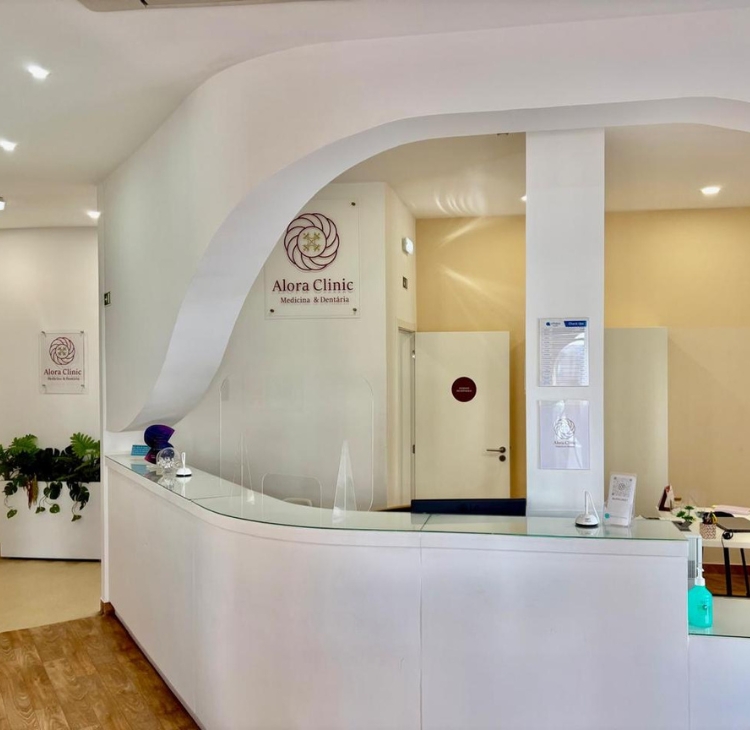
At Alora Clinic , at Ramada, Odivelas, Lisbon , the consultation for dentures begins with a detailed clinical evaluation of the oral cavity, to determine the best solution for each patient. The aim is to ensure that the prostheses fit properly, providing comfort and naturalness.
What are dentures?
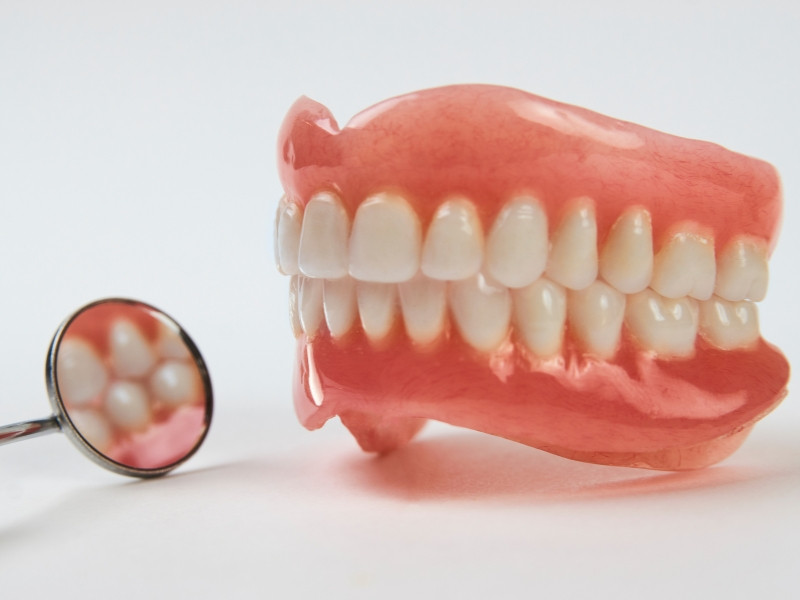
dentures are artificial devices used to replace missing or damaged teeth, and can be removable or fixed. They are custom made to provide a comfortable and functional fit in the patient's mouth.
At the dental prosthesis consultation in Ramada, Odivelas, Lisbon , the dentist will evaluate the health of the oral cavity, bone quality and other relevant factors to determine the best type of prosthesis, whether removable, fixed or on implants.
When should you schedule a denture consultation?
The consultation for dental prostheses should be scheduled when the patient loses one or more teeth due to caries, trauma or periodontal disease, or when he wants to restore chewing function and improve the aesthetics of the smile.
Some common situations that indicate the need for dentures include:
- loss of teeth due to caries or periodontal disease;
- worn or damaged teeth;
- difficulty chewing or speaking due to lack of teeth;
- need to improve smile aesthetics;
- alignment or occlusion problems.
The dental prosthesis consultation in Ramada, Odivelas, Lisbon will determine the most appropriate solution to restore oral health and the aesthetics of the smile.
How does clinical assessment work?
Clinical evaluation for dentures begins with a detailed examination of the oral cavity, including an analysis of gingival health, remaining teeth and bone structure.
Assessment may include:
- complete visual examination of teeth and gums;
- periodontal health assessment;
- radiographs to assess bone structure;
- dental molds or scans to plan the prosthesis;
- evaluation of dental occlusion and alignment.
Based on this assessment, the dentist will suggest the best solution, which may include fixed, removable or implant prostheses, according to the patient's situation.
What are the types of dentures?
There are different types of dental prostheses, each indicated for specific needs and conditions.
Removable dentures
The removable dentures are used to replace missing teeth and can be removed for cleaning. They are a more affordable option, but they may not be as stable as fixed prostheses.
Fixed prostheses
The fixed prostheses are permanently fixed in the mouth and cannot be removed by the patient. They include crowns and bridges that are used to replace missing teeth.
Prostheses on implants
prostheses on implants are fixed in dental implants, which are inserted into the maxillary or mandibular bone. This type of prosthesis offers greater stability and durability compared to removable prostheses.
The type of prosthesis will be chosen according to the clinical evaluation and the needs of each patient.
How are dental prostheses performed?
The process of making and placing dental prostheses involves several stages that guarantee the proper adaptation and the desired end result.
Treatment Planning
The dentist will plan the treatment according to the condition of the remaining teeth and the patient's oral health. This may include removing damaged teeth and preparing for the placement of the prosthesis.
Construction of prostheses
Molds or digitizations are made to create a precise model of the mouth, which will be used in the making of the personalized prosthesis.
Placement of the prosthesis
After fitting, the prosthesis is placed and adjusted to ensure that it fits perfectly, providing comfort and functionality to the patient.
The process of adaptation to the prosthesis may involve adjustments during the first consultations to ensure that the patient feels comfortable and that chewing function is restored.
Post-placement care
After placement of the prosthesis, it is essential to follow the dentist's guidelines to guarantee the durability and success of the treatment.
- maintain good oral hygiene by brushing teeth and dentures correctly;
- avoid foods that can damage the prosthesis;
- perform regular follow-up consultations;
- check the fit of the prosthesis for adjustments, if necessary;
- do not smoke, as smoking can affect oral health.
Monitoring and maintenance
Post-placement monitoring of the prosthesis is important to ensure that the adaptation is perfect and that the patient does not have problems with daily use.
At Alora Clinic , denture consultations in Ramada, Odivelas, Lisbon include continuous monitoring and adjustments as needed.
Dentures in Ramada, Odivelas, Lisbon
If you need to replace lost or damaged teeth, Alora Clinic offers evaluation consultations for diagnosis and development of a dental prosthesis treatment plan.
The consultation allows you to identify the treatment options available, whether for fixed, removable or implant prostheses.
Schedule your denture appointment
To start your treatment with dentures in Ramada, Odivelas, Lisbon , book a consultation at Alora Clinic .
Clinical evaluation is the first step to define the best solution for your oral rehabilitation.