Sleep Apnea Treatment in Ramada, Odivelas, Lisbon
The sleep apnea treatment is indicated for patients who suffer from breathing difficulties during sleep, characterized by temporary interruption of breathing. Sleep apnea can result in fatigue, difficulty concentrating, increased cardiovascular risk and reduced quality of life. The treatment aims to restore normal and healthy breathing during sleep, ensuring a restful rest and preventing health complications.
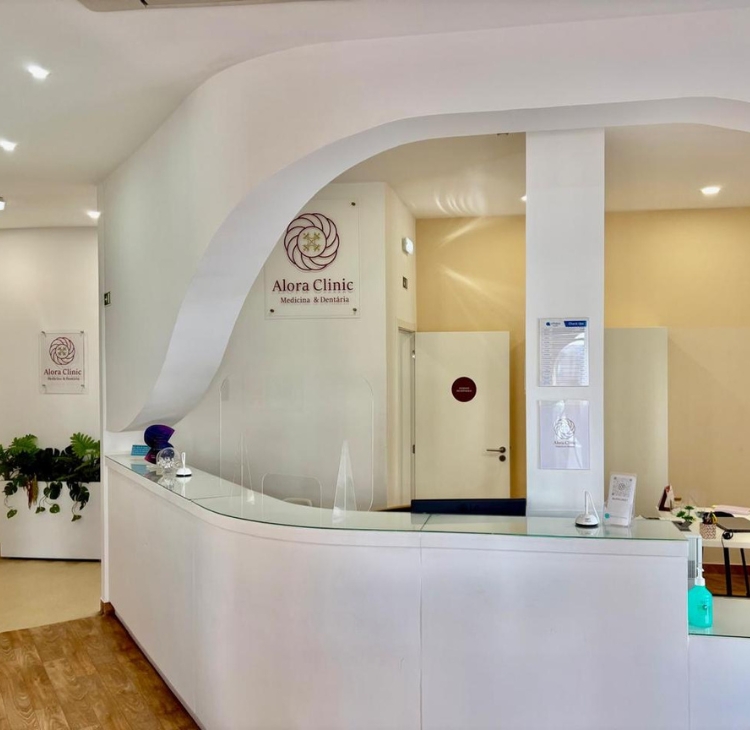
At Alora Clinic , at Ramada, Odivelas, Lisbon , the sleep apnea treatment begins with a detailed evaluation of the symptoms and possible causes. The sleep medicine dentist will evaluate your case and offer the best treatment plan, which may include oral devices, CPAP therapy or other interventions depending on the degree of apnea.
What is Sleep Apnea?
Sleep apnea is a condition in which the patient's breathing is interrupted during sleep, resulting in low blood oxygen levels and poor quality sleep. This interruption can last from a few seconds to minutes, occurring several times during the night.
Sleep apnea is divided into three main types:
- Obstructive sleep apnea (OSA): the most common form, in which the airways are obstructed by relaxed throat muscles.
- Central sleep apnea: occurs when the brain fails to send signals to the respiratory muscles.
- Mixed apnea: combines characteristics of obstructive apnea and central apnea.
sleep apnea treatment aims to relieve symptoms and restore healthy sleep, improving the patient's quality of life.
When should you schedule an appointment for sleep apnea treatment?
sleep apnea treatment should be marked when the patient presents symptoms such as episodes of intense snoring, interruptions in breathing during sleep, excessive tiredness during the day and difficulty concentrating, among other common signs of this condition.
The top reasons to perform the sleep apnea treatment include:
- frequent and loud snoring;
- interruptions in breathing during sleep (apneas);
- excessive daytime fatigue, even after a night's sleep;
- difficulty concentrating and memory loss;
- morning headaches;
- irritability and bad mood;
- need for treatment to improve quality of life and prevent associated diseases, such as hypertension, diabetes and heart problems.
The sleep apnea treatment in Ramada, Odivelas, Lisbon aims to improve the quality of sleep and the general health of the patient, restoring respiratory balance during the night.
How does clinical assessment for sleep apnea work?
The evaluation for sleep apnea treatment begins with a detailed examination of the patient's symptoms and medical history. The dentist or sleep medicine specialist may perform a physical exam and request tests, such as a polysonography, to diagnose sleep apnea and determine the severity of the condition.
Assessment may include:
- questionnaire on sleep symptoms, such as snoring and respiratory interruptions;
- physical examination of the mouth, throat and respiratory tract;
- sleep exams (polysonography) to monitor breathing during sleep;
- cardiovascular risk assessment and comorbidities associated with sleep apnea;
- discussion about the treatment plan and available options.
After the evaluation, the dentist will recommend the best treatment for the patient, which may include the use of oral devices, CPAP therapy, or in more severe cases, surgery.
What are the treatment options for sleep apnea?
There are several treatment options for sleep apnea, depending on the severity of the condition and the underlying cause.
Oral devices
The oral devices are one of the most common options for treating obstructive sleep apnea. They work by moving the jaw forward and keeping the airways open during sleep, preventing airway obstruction.
CPAP (Continuous Positive Airway Pressure)
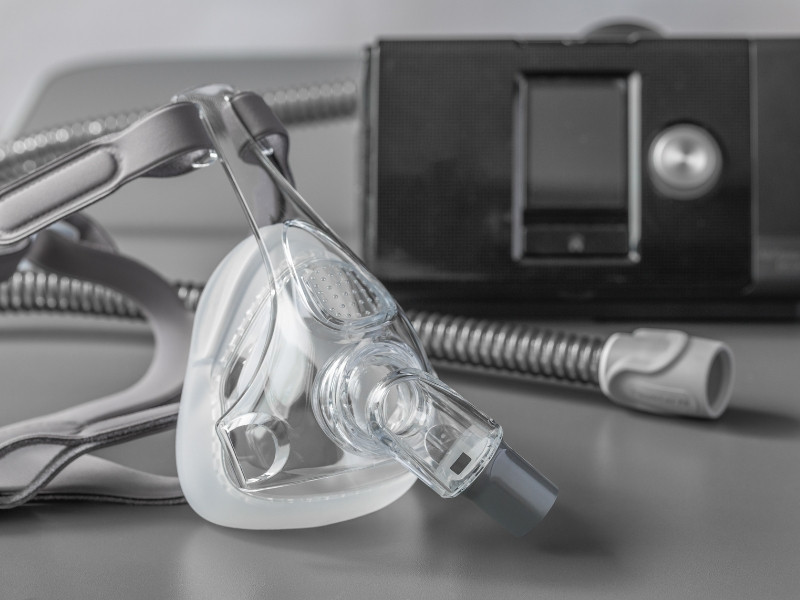
CPAP is a device that provides a continuous flow of air to keep the airways open during sleep. This treatment is more indicated for severe sleep apnoea and is highly effective in preventing respiratory interruptions.
Surgery
In more severe cases of sleep apnea, or when other treatment options are not effective, surgery may be needed to remove obstructions in the airways or correct structural problems, such as septal deviation or large tonsils.
Lifestyle modifications
Lifestyle changes, such as weight loss, avoiding alcohol and sedatives before bed, and sleeping on your side, may also be recommended as part of sleep apnea treatment.
Post-treatment care for sleep apnea
After sleep apnea treatment , it is important to follow the specialist's guidelines to ensure that the treatment is effective and the patient has a good quality of sleep.
- use the oral device or CPAP as prescribed;
- avoid smoking and drinking alcohol before sleep;
- maintain a regular and relaxing sleep routine;
- lose weight, if necessary, to help alleviate the symptoms of apnea;
- conduct regular consultations to monitor the results and adjust the treatment, if necessary.
Continuous monitoring
Continuous monitoring is essential to ensure that sleep apnea treatment is effective in the long term. The dentist or sleep medicine specialist will monitor the results and make adjustments to treatment as needed.
At Alora Clinic , the sleep apnea treatment in Ramada, Odivelas, Lisbon includes continuous monitoring to ensure that the patient's breathing is restored during sleep and that their quality of life improves.
Sleep Apnea in Ramada, Odivelas, Lisbon
If you suffer from sleep apnea or suspect you have this condition, Alora Clinic offers sleep apnea treatment in Ramada, Odivelas, Lisbon , with customized solutions to improve your sleep quality and overall well-being.
The consultation allows you to identify the causes of apnea and determine the best treatment to restore a restful and healthy sleep.
Book your sleep apnea consultation
To start your sleep apnea treatment in Ramada, Odivelas, Lisbon , make an appointment at Alora Clinic .
Clinical evaluation is the first step to ensure that the treatment is effective and that you have a restful and restful night's sleep.