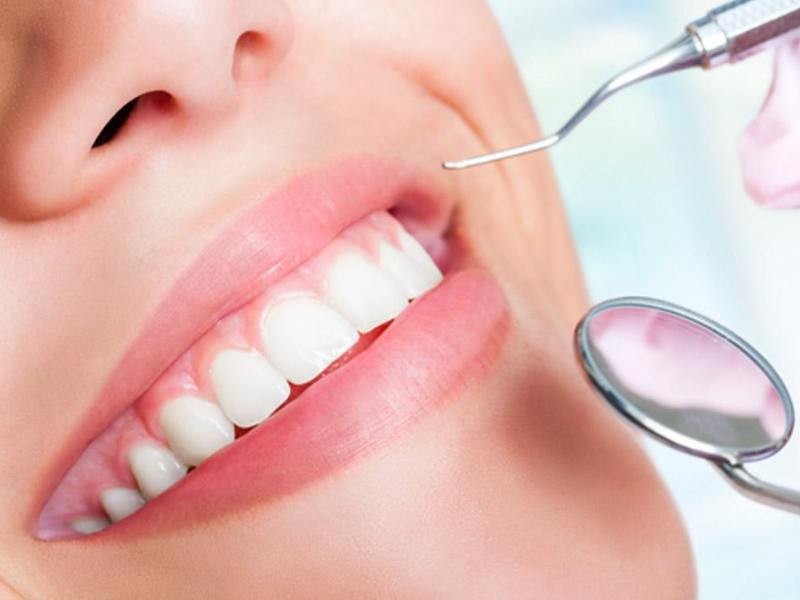
Periodontics is a specialty of Dental Medicine that deals with gum problems and the tissues that secure the tooth in the mouth the dentist who does the treatment of Periodontics is called the Periodontist.
What is gingivitis and what are the causes?
The gum is the tissue that surrounds, secures and protects the teeth, generally it has a pink color and in states of health it does not bleed or hurt. It has a fundamental role in protecting the teeth in the mouth and also in chewing. When it's inflamed, it's called gengivite.
What causes gengivite?
The primary cause of gingivitis will always be bacterial plaque or dental biofilm (scientific name), that is, without its presence there would be no inflammation in the gum. But there are other factors that can influence gingivitis and they are called predisposers and modifiers.
And what do you need to understand about this? Well, predisposing factor means that predisposes you to having something, right? In the mouth, what could predispose a person to developing gingivitis? In the case, everything that could accumulate or hinder the removal of bacterial plaque and that would include caries, calculus, restorations or poorly adapted prostheses with excess material and teeth pinched or poorly positioned. To solve this problem you would have to treat caries, adjust restorations and prostheses, align teeth with braces, if this is not solved it will continue to make it difficult to brush and accumulate bacterial plaque and the gingivite cycle is never solved. So some people think: I brush so well and I continue with the inflamed gum, what is happening?
Modifying factors are related to how your body reacts, that is, they are able to modify your inflammatory response leaving you more susceptible to developing gingivitis. So, for example, a diabetic who is not with a controlled glucose rate the presence of diabetes will potentiate and make it difficult to treat gingivitis, this because it ends up interfering with the healing of the person as a whole and will also interfere with gingivitis leaving it more exacerbated. Other examples of modifying factors are stress, endocrine dysfunctions, nutritional deficiency, mouth respirator among others. What you need to be aware of is if you have such changes, if they are controlled and with the dentist assess whether your gum is healthy.
And how do I get rid of bacterial plaque and predisposing and modifying factors?
Simple, bacterial plaque is removed with a correct brush. As for the predisposing factors, an adequate evaluation is necessary with the dentist so that he can identify what you have, if you need to change restoration, prosthesis, perform cleaning this is a complete dental treatment. As for the modifying factors, they are investigated in the anamnesis and depending on what alteration the dentist has may consider a medical evaluation necessary. But attention this is prevention of the disease because if the patient already has it in addition to preventive measures the patient will need treatment.
If I don't treat gingivite what happens?
It has been scientifically proven that if gingivitis is not treated in 89% of cases it evolves into a more aggressive form called periodontitis. Periodontitis causes the irreversible loss of the bone that secures the tooth and over time the loss of the tooth.
How do I treat gengivite?
Gingivitis can only be treated by the dental surgeon who will take the necessary measures as each person has different needs.
How do I know I'm with gengivite?
If your gum bleeds when brushing or flossing, or even touching it lightly, it's a strong sign that you have gingivitis. Redness and swelling may also appear on the gums. As for pain, it is not common, but it can appear in the most severe cases.
Text written by Doctor in Dental Medicine Nicole Nogueira.
Do not forget to follow the news on the website of Clínica Aggio , and book your consultation if necessary. Follow us also on instagram.