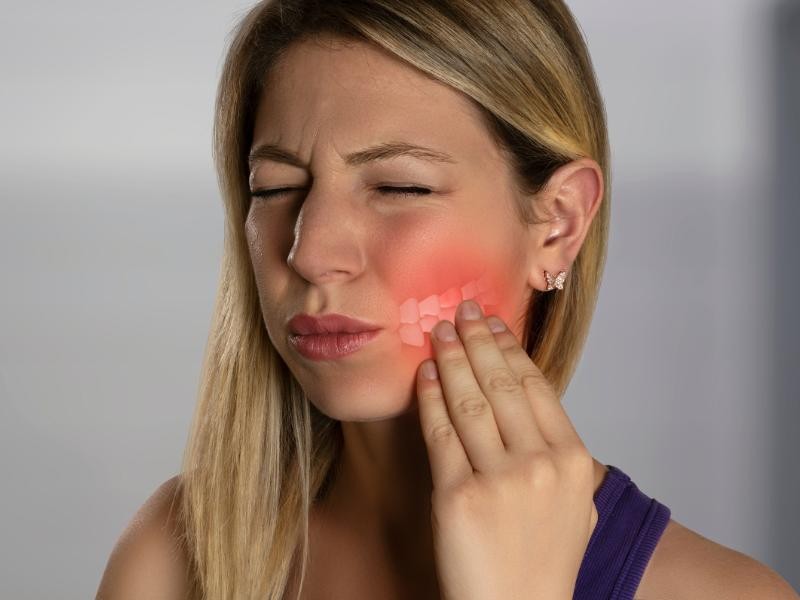
Toothache is one of the most common signs that something is not right in the mouth.
Often, this discomfort functions as an alert of the body, indicating changes in the teeth, gums or other structures of the oral cavity.
Understanding what toothache can reveal about oral health is critical to preventing complications, preserving natural teeth, and seeking treatment in a timely manner.
At Alora Clínic , in Ramada, Odivelas, Lisbon, we use digital technology and personalized diagnostics to identify the origin of pain and provide more accurate and comfortable treatments.
1. What can toothache reveal about oral health?
Toothache can indicate different changes in oral health, from simple problems to more complex situations.
Among the most frequent causes are:
- dental caries;
- inflammation of the dental pulp;
- infections;
- gum disease;
- tooth fractures;
- bruxism;
- dental sensitivity;
- problems related to wisdom teeth.
The intensity, duration and location of the pain help to identify possible causes.
2. What is the relationship between toothache and oral health?
The relationship between toothache and oral health is direct.
In most cases, pain represents a warning sign that there is:
- inflammation;
- infection;
- wear;
- trauma;
- dental or gingival involvement.
The sooner the source of the problem is identified, the greater the chances of preserving teeth and avoiding more complex treatments.
3. What are the warning signs associated with toothache?
Some symptoms may indicate a need for rapid evaluation.
Among the main warning signs stand out:
- intense and persistent pain;
- swelling in the gum or face;
- extreme sensitivity to hot or cold;
- chewing pain;
- gingival bleeding;
- presence of pus;
- fever;
- tooth discoloration.
These symptoms may indicate infections or internal tooth compromise.
4. Can frequent toothache indicate more serious problems?
Sim.
Recurrent pain usually indicates that there is an evolving problem.
Among the most common situations associated with frequent pain are:
- deep caries;
- tooth wear;
- inflammation of the pulp;
- periodontal disease;
- bruxism;
- tooth fractures.
Ignoring recurring episodes may allow the problem to progress.
5. What oral diseases can cause toothache?
Various oral diseases can cause dental pain.
Among the main ones are:
- dental caries;
- gengivite;
- periodontitis;
- dental abscesses;
- pulp infections;
- tooth fractures;
- temporomandibular joint dysfunctions;
- bruxism.
Some of these conditions can evolve quickly if left untreated.
6. How to prevent toothache?
Prevention is directly related to good oral health habits.
Some important measures include:
- brush your teeth correctly;
- floss daily;
- reduce excessive sugar consumption;
- perform regular consultations;
- performed professional cleaning;
- treat problems early.
Preventive monitoring helps to avoid future complications.
7. How to maintain good oral health?
Maintaining good oral health requires ongoing care and proper routine.
In addition to daily hygiene, it is important:
- maintain balanced diet;
- avoid tobacco;
- control habits such as storing teeth;
- hydrate properly;
- perform periodic evaluations.
Small daily care makes a big difference in preventing toothache.
8. What habits help to avoid tooth pain?
Some habits can significantly help in the prevention of dental pain.
- brushing after meals;
- daily use of dental floss;
- avoid biting objects;
- don't use teeth as a tool;
- avoid excessive sugary drinks;
- regular preventive consultations.
These cares help preserve healthy teeth and gums.
9. Can toothache indicate serious problems?
Sim.
In some cases, dental pain may indicate more serious situations, such as:
- deep infections;
- abscesses;
- pulp necrosis;
- advanced periodontal disease;
- root fractures;
- spread of infections.
Therefore, pain should never be ignored, especially when persistent or intense.
10. What treatments help relieve toothache?
Treatment directly depends on the cause of the pain.
Among the most common treatments are:
- caries treatment;
- Destartarization;
- periodontal treatment;
- dental devitalization;
- restorations;
- oral rehabilitation;
- infection treatment.
Accurate diagnosis is essential to define the most appropriate approach.
11. How does oral hygiene affect toothache?
Inadequate oral hygiene favors the accumulation of bacterial plaque, mainly responsible for the development of:
- caries;
- gengivite;
- periodontitis;
- bad breath;
- inflammations.
These problems are often associated with dental pain.
Correct oral hygiene is one of the most important forms of prevention.
12. How does digital technology help in diagnosis?
Digital dentistry allows you to identify the origin of pain with greater precision.
Among the resources used stand out:
- digital radiography;
- CT scan;
- intraoral scan;
- digital planning.
These technologies help make diagnoses faster, safer and more predictable.
13. Where to treat toothache and oral health problems?
The ideal is to look for a clinic with experience in digital diagnosis, prevention and personalized treatments.
At Alora Clínic , in Ramada, Odivelas, Lisbon, we offer modern technology, individualized monitoring and an approach focused on oral health and patient comfort.
14. Conclusion
A toothache can reveal a lot about your oral health and should never be ignored.
In many cases, this symptom acts as an important warning sign for dental or gum problems.
Identifying the origin of pain early helps preserve teeth, avoid complications and ensure simpler and more predictable treatments.
At Alora Clínic , in Ramada, Odivelas, Lisbon, we offer digital diagnostics, modern technology and personalized monitoring to take care of your oral health.
If you have dental pain or want to perform a preventive evaluation, you can schedule a consultation with our team.