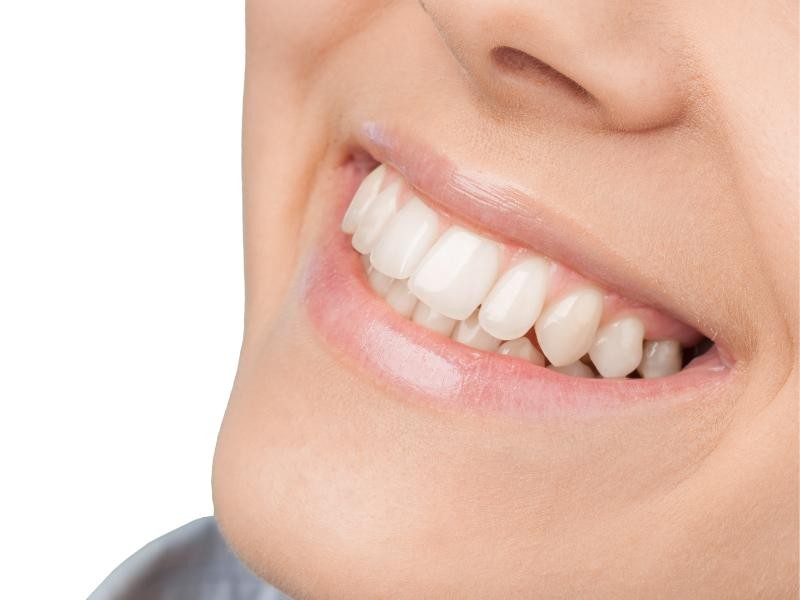
Digital dentistry has transformed the way many aesthetic and functional treatments are performed. Among the most modern solutions is the prosthesis with CadCam technology, which allows greater precision, speed and comfort throughout the process.
Understanding the step by step of CADcam prosthetics helps the patient understand how the treatment works, what its stages are, what materials can be used and what to expect from the clinical experience.
At Alora Clínic , in Ramada, Odivelas, Lisbon, CadCam technology integrates a modern approach to digital dentistry, with personalized planning and follow-up appropriate to each case.
1. What is a prosthesis with CadCam technology? Partial
prosthesis with CadCam technology is a dental prosthesis planned and produced with the support of digital systems. The term CadCam comes from “Computer-Aided Design” and “Computer-Aided Manufacturing”, that is, computer-aided design and manufacturing.
This technology allows you to create prostheses with a high level of precision, through digital scanning, software planning and computerized production.
2. What is the step by step of the prosthesis with CadCam technology?
The process may vary according to each case, but generally includes the following steps:
- initial clinical evaluation;
- digital intraoral scanning;
- virtual prosthesis planning;
- choice of the most appropriate material;
- computerized production of the part;
- trial and clinical adjustments;
- definitive placement of the prosthesis.
Each stage is carried out with the aim of guaranteeing adaptation, comfort, chewing function and adequate aesthetic result.
3. How does intraoral scanning work?
Intraoral scanning replaces conventional moldings in many cases. Through a digital scanner, detailed images of the teeth and oral cavity are captured.
These images allow to create a three-dimensional digital model, used to plan the prosthesis with greater precision.
This stage is usually quick, comfortable and does not require the use of traditional molding masses.
4. How is digital planning done?
After the scan, the dentist uses specific software to design the prosthesis. In this phase, factors such as:
- tooth shape;
- fits;
- contacts with neighboring teeth;
- bite;
- color and aesthetics of the smile.
Digital planning allows greater predictability and helps reduce subsequent adjustments.
5. What materials can be used?
The choice of material depends on the clinical indication, the location of the tooth and the aesthetic and functional objectives.
Among the materials that can be used are:
- ceramic;
- lithium dissilicate;
- zirconia;
- high performance resins, in specific situations.
The choice is made after evaluation, considering resistance, aesthetics and individual needs of the patient.
6. How is the prosthesis produced with CadCam technology?
After digital planning, the prosthesis is produced by computerized equipment, such as milling machines or 3D printers, depending on the case and the material selected.
This digital production allows greater precision in the adaptation of the part and reduces variations associated with totally manual processes.
7. Can the prosthesis with CadCam technology be done in one session?
In some cases, yes. Depending on the complexity of the treatment, the type of prosthesis and the structure available, the prosthesis with CadCam technology can be planned, produced and placed on the same day.
However, not all cases are indicated for single session. The decision always depends on the clinical evaluation.
8. Does the procedure cause pain?
The scanning and digital planning process is painless. In certain clinical stages, such as dental preparation or placement of the prosthesis, local anesthesia may be used when necessary.
The goal is to ensure a comfortable and safe experience throughout the treatment.
9. What are the benefits of CadCam technology?
The prosthesis with CadCam technology offers several advantages over conventional methods.
- greater precision in fitting;
- more comfort in the process;
- reduction of traditional moldings;
- faster in many cases;
- personalized digital planning;
- more predictable aesthetic result;
- less need for adjustments.
10. How is the recovery after placement?
The adaptation after the placement of the prosthesis with CadCam technology is usually simple. The patient may feel a slight initial difference in bite or tooth sensation, but this adaptation tends to improve progressively.
After the procedure, it is important:
- maintain good oral hygiene;
- avoid very hard foods in the first days, if indicated;
- follow the guidelines of the dentist;
- attend follow-up consultations.
11. Where to perform prosthetics with CadCam technology?
The prosthesis with CadCam technology should be performed in a clinic with experience in digital dentistry, adequate equipment and qualified team.
At Alora Clínic , in Ramada, Odivelas, Lisbon, we offer oral rehabilitation solutions with digital technology, personalized planning and individualized monitoring.
Conclusion
The step-by-step prosthesis with CadCam technology involves clinical evaluation, digital scanning, computerized planning, precise prosthesis production and personalized placement.
This technology allows faster, more comfortable and predictable treatments, contributing to the aesthetics and functionality of the smile.
If you want to know if the CadCam prosthesis is suitable for you, you can schedule an evaluation consultation at Alora Clínic .