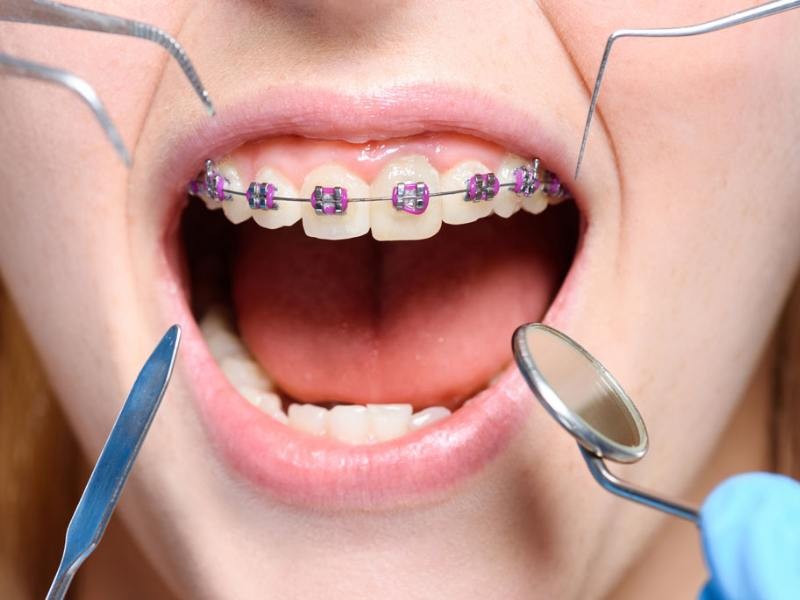
Dental medicine has traveled a long path to reach the modern, technological and highly specialized treatments that we know today.
Throughout human history, different civilizations have sought solutions to dental pain, gum disease and tooth loss, using the knowledge and resources available in each era.
Scientific, technological and medical development has allowed a profound evolution of dental medicine, transforming it into an increasingly precise, preventive and evidence-based area.
Today, modern dental medicine combines digital technology, advanced diagnostics, innovative materials and multidisciplinary approaches to provide safer, more comfortable and predictable treatments.
At Alora Clínic , in Ramada, Odivelas, Lisbon, we value the constant evolution of dental medicine, using modern technology and personalized monitoring to take care of the oral health of our patients.
1. How did dental medicine come about?
The first records related to oral care date back thousands of years before Christ.
Ancient civilizations have already shown concern with:
- dental pain;
- oral hygiene;
- gingival problems;
- loss of teeth.
Historical records of rudimentary oral cleaning techniques, use of toothpicks and medicinal recipes to strengthen teeth and gums were found.
2. How did the ancient peoples take care of their teeth?
Different civilizations have developed their own methods of oral hygiene.
There are historical records of:
- dental sticks made of gold;
- gum massages;
- medicinal pastes;
- natural mixtures with honey and plants;
- rudimentary cleaning tools.
The ancient Chinese, for example, used their own food “pauses” as instruments of oral hygiene.
3. How did the Romans take care of oral health?
The Romans already showed concern with tartar and dental cleaning.
There were recommendations for:
- tartar removal;
- teeth cleaning after meals;
- use of dental scrapers.
These cares represented an important advance for the season.
4. What was the influence of Arab medicine on dentistry?
During the Middle Ages, while Europe faced a period of less scientific development, Arab medicine experienced a phase of great evolution.
Arab scholars contributed significantly to dental medicine, developing:
- tooth extraction techniques;
- surgical instruments;
- gum treatments;
- methods of dental stabilization with gold threads.
These practices were important for the future evolution of dentistry.
5. What changed in the Renaissance?
The Renaissance brought a great scientific and cultural advance to dentistry.
More organized studies began to emerge on:
- dental pain;
- gingival diseases;
- dental treatments;
- clinical instruments.
In 1530 the first book dedicated to dental practice was published, considered a historical landmark of modern dental medicine.
6. When did modern dental medicine come into being?
Modern dentistry began to take shape in the eighteenth century.
This season, areas similar to current specialties have emerged, including:
- denture;
- oral surgery;
- orthodontics;
- gum treatments;
- dental restorations.
Specific instruments for different clinical procedures also began to be developed.
7. How did modern toothbrushing come about?
In the nineteenth century, more specific recommendations about oral hygiene emerged.
Already defended itself:
- brush your teeth regularly;
- cleaning the mouth after meals;
- use toothbrushes;
- practice oral prevention.
This season also saw the emergence of dental floss, created by Levi Spear Parmly, considered one of the pioneers of modern oral prevention.
8. How did bacteria become associated with oral diseases?
The scientific studies of Louis Pasteur revolutionized medicine and also dentistry.
The discovery of microorganisms made it possible to understand that bacteria played a fundamental role in the development of:
- dental caries;
- gum disease;
- oral infections.
Since then, dentistry has become increasingly scientific and evidence-based.
9. How have dental materials evolved?
During the twentieth century, restorative materials and clinical techniques developed considerably.
Materials emerged:
- more resistant;
- more aesthetic;
- more durable;
- more biocompatible.
This allowed for much more effective and conservative treatments.
10. How did dental implants come about?
The replacement of missing teeth was tried many centuries ago.
Historical records of implants made with:
- metals;
- gold;
- stone;
- porcelain.
However, it was only in the twentieth century that modern dental implants began to develop significantly.
Titanium revealed excellent integration with bone, becoming the most widely used material to this day.
11. How has fluoride revolutionized the prevention of caries?
The use of fluoride was one of the greatest preventive revolutions in dental medicine.
Scientific studies have shown that populations with access to fluoridated water had a significant reduction in tooth decay rates.
Fluoride was then used:
- in public water;
- in toothpastes;
- in preventive treatments;
- in clinical protocols.
The World Health Organization has recognized water fluoridation as an important public health measure.
12. How did dental medicine become more scientific?
Throughout the twentieth century, dentistry began to use scientific research to validate treatments, materials and clinical techniques.
This allowed:
- safer treatments;
- greater predictability;
- better infection control;
- technological advances;
- longer longevity of treatments.
13. What is dentistry like today?
Currently, dentistry combines:
- digital dentistry;
- intraoral scan;
- digital radiology;
- 3D planning;
- modern implants;
- clear aligners;
- CAD/CAM technology.
This allows treatments:
- faster;
- more comfortable;
- more aesthetic;
- most minimally invasive;
- more personalized.
14. What is the future of dentistry?
The trend is a growing evolution of digital dentistry, artificial intelligence, 3D printing and increasingly personalized treatments.
The focus of modern dentistry is on:
- prevention;
- early diagnosis;
- digital technology;
- patient comfort;
- Conservative treatments.
15. Where to carry out modern treatments in dentistry?
The ideal is to look for a clinic equipped with modern technology, digital diagnostics and multidisciplinary team.
At Alora Clínic , in Ramada, Odivelas, Lisbon, we use advanced digital resources and personalized planning to provide modern, safe and comfortable treatments.
16. Conclusion
Dentistry has come a long way throughout human history.
From rudimentary oral hygiene techniques to modern digital systems, scientific evolution has profoundly transformed oral health care.
Currently, patients benefit from faster, more accurate, comfortable and highly personalized treatments.
Modern dental medicine has become an increasingly technological, preventive and multidisciplinary area, focused not only on the aesthetics of the smile, but also on global oral health and quality of life.
At Alora Clínic , in Ramada, Odivelas, Lisbon, we offer modern treatments with advanced technology and personalized follow-up.
If you want to carry out an evaluation of your oral health or know the solutions of modern dental medicine, you can schedule a consultation with our team.