bruxism is an increasingly common condition, characterized by involuntary clenching or clenching of teeth.
Many people suffer from this problem without even realizing it, especially during sleep.
Although often associated with stress and anxiety, bruxism can have different causes and cause important impacts on oral, muscle and joint health.
When untreated, it can cause tooth wear, muscle aches, headaches and temporomandibular joint problems.:ContentReference [oaicite:0] {index=0}
At Alora Clínic , in Ramada, Odivelas, Lisbon, we carry out personalized evaluation and modern treatments to help control bruxism and protect oral health.
1. What is bruxism?
bruxism is a parapunction characterized by non-functional contact of the teeth, through clenching or involuntary ranger.:ContentReference [oaicite:1] {index=1}
That is, these are mandibular movements that are not part of the normal functions of chewing.
The problem may occur:
- during sleep;
- during the day;
- consciously;
- unconsciously.
Bruxism can affect children, adolescents and adults.
2. What causes bruxism?
Bruxism does not have a single defined cause, but several factors can contribute to its development.:ContentReference [oaicite:2] {index=2}
Among the most common factors are:
- stress;
- anxiety;
- emotional tension;
- sleep disturbances;
- sleep apnea;
- dental misalignment;
- bite changes;
- gastric reflux;
- some antidepressant drugs;
- genetic factors.
Currently, emotional stress is considered one of the factors most often associated with bruxism.
3. What are the symptoms of bruxism?
Symptoms can vary from person to person and often go unnoticed for quite some time.
Among the most common symptoms are:
- tooth wear;
- headache;
- jaw pain;
- facial muscle pain;
- neck pain;
- dental sensitivity;
- ringing in the ear;
- bursts when opening the mouth;
- sleep disturbances;
- feeling of muscle tension.:ContentReference [oaicite:3] {index=3}
Headache is one of the symptoms most frequently reported by patients.
4. What is the difference between nocturnal and daytime bruxism?
Bruxism can occur both during sleep and during the day.
The nocturnal bruxism happens involuntarily during sleep and is often identified by relatives due to the noise caused by the dental ranger.
daytime bruxism , also called wakefulness bruxism, is often associated with stress, intense concentration or emotional tension.:ContentReference [oaicite:4] {index=4}
In many cases, the patient does not even realize that he clenches his teeth during the day.
5. How does bruxism affect teeth?
Constant tightening and tidying can lead to progressive tooth wear.
Among the most frequent problems are:
- tooth enamel wear;
- tooth fractures;
- sensitivity;
- dental mobility;
- restaurant wear;
- pain when chewing.
In more severe cases, bone and joint damage may occur.:ContentReference [oaicite:5] {index=5}
6. Can bruxism cause muscle pain?
Sim.
The constant strain of the masticatory muscles can cause pain and muscle tension.
Patients may present:
- facial pain;
- muscle fatigue;
- jaw stiffness;
- cervical pain;
- discomfort when remembering.
These pains can significantly affect the quality of life.
7. Can stress really cause bruxism?
Sim.
Emotional stress and anxiety are among the factors most associated with the development of bruxism.:ContentReference [oaicite:6] {index=6}
Situations of emotional tension can involuntarily increase the muscular activity of the jaw, favoring the clenching of the teeth.
Therefore, many therapeutic approaches include emotional control and relaxation techniques.
8. How is the diagnosis of bruxism made?
The diagnosis is made through detailed clinical evaluation and analysis of the symptoms presented by the patient.
The dentist can assess:
- tooth wear;
- muscle strength;
- mandibular movements;
- muscle pain;
- temporomandibular joint.
In some cases, polysonography may be indicated for more in-depth evaluation of the sound disorder.:ContentReference [oaicite:7] {index=7}
9. Is there a cure for bruxism?
Currently, there is no universal definitive cure for bruxism.
However, there are effective treatments to control symptoms, protect teeth and significantly improve quality of life.:ContentReference [oaicite:8] {index=8}
Treatment depends on the causes associated with each patient.
10. How is the treatment of bruxism done?
The treatment of bruxism may involve different approaches.
Among the most used treatments are:
- relaxation plate;
- myorelaxant plaque;
- stress control;
- physiotherapy;
- occlusal adjustment;
- orthodontic treatment;
- botulinum toxin;
- muscle relaxation techniques;
- multidisciplinary monitoring.:ContentReference [oaicite:9] {index=9}
The treatment plan should always be personalized.
11. What is the bruxism plaque?
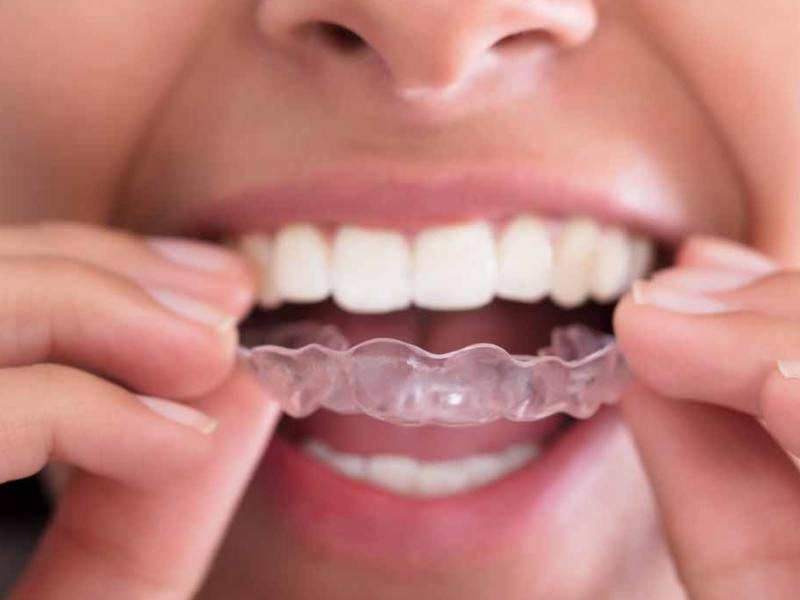
The muscle relaxant plate is one of the most used treatments in the control of bruxism.
This is a custom device normally used during sleep.
Plaque helps:
- protect teeth;
- reduce tooth wear;
- decrease muscle tension;
- reduce mandibular pain.
The plaque does not eliminate the cause of bruxism, but it helps significantly in the control of symptoms.
12. Can bruxism affect children?
Sim.
Infant bruxism is relatively common and can occur during different phases of dental development.:ContentReference [oaicite:10] {index=10}
Among the habits often associated with children are:
- nail biting;
- finger sucking;
- stress;
- sleep changes.
Professional monitoring is important for proper evaluation and prevention of complications.
13. How to prevent the aggravation of bruxism?
Some habits can help reduce symptoms and prevent aggravation.
- reduce stress;
- practice physical exercise;
- improve sleep quality;
- avoid excess caffeine;
- perform regular consultations;
- correctly follow the indicated treatment.
Emotional control plays an important role in most cases.
14. Where to treat bruxism?
The ideal is to look for a clinic with experience in occlusion, temporomandibular dysfunction and multidisciplinary follow-up.
At Alora Clínic , in Ramada, Odivelas, Lisbon, we carry out personalized evaluation and modern treatments to help control bruxism, protecting oral health and patient comfort.
15. Conclusion
bruxism is a relatively common condition that can significantly affect oral, muscle and joint health.
Stress, anxiety, sleep disturbances and occlusal factors are often associated with the problem.
Fortunately, there are effective treatments that help control symptoms, protect teeth and improve quality of life.
The earlier the diagnosis is made, the greater the chances of preventing future complications.
At Alora Clínic , in Ramada, Odivelas, Lisbon, we offer personalized monitoring and modern technology for the evaluation and treatment of bruxism.
If you have symptoms such as tooth decay, jaw pain or frequent headaches, you can schedule an evaluation consultation with our team.